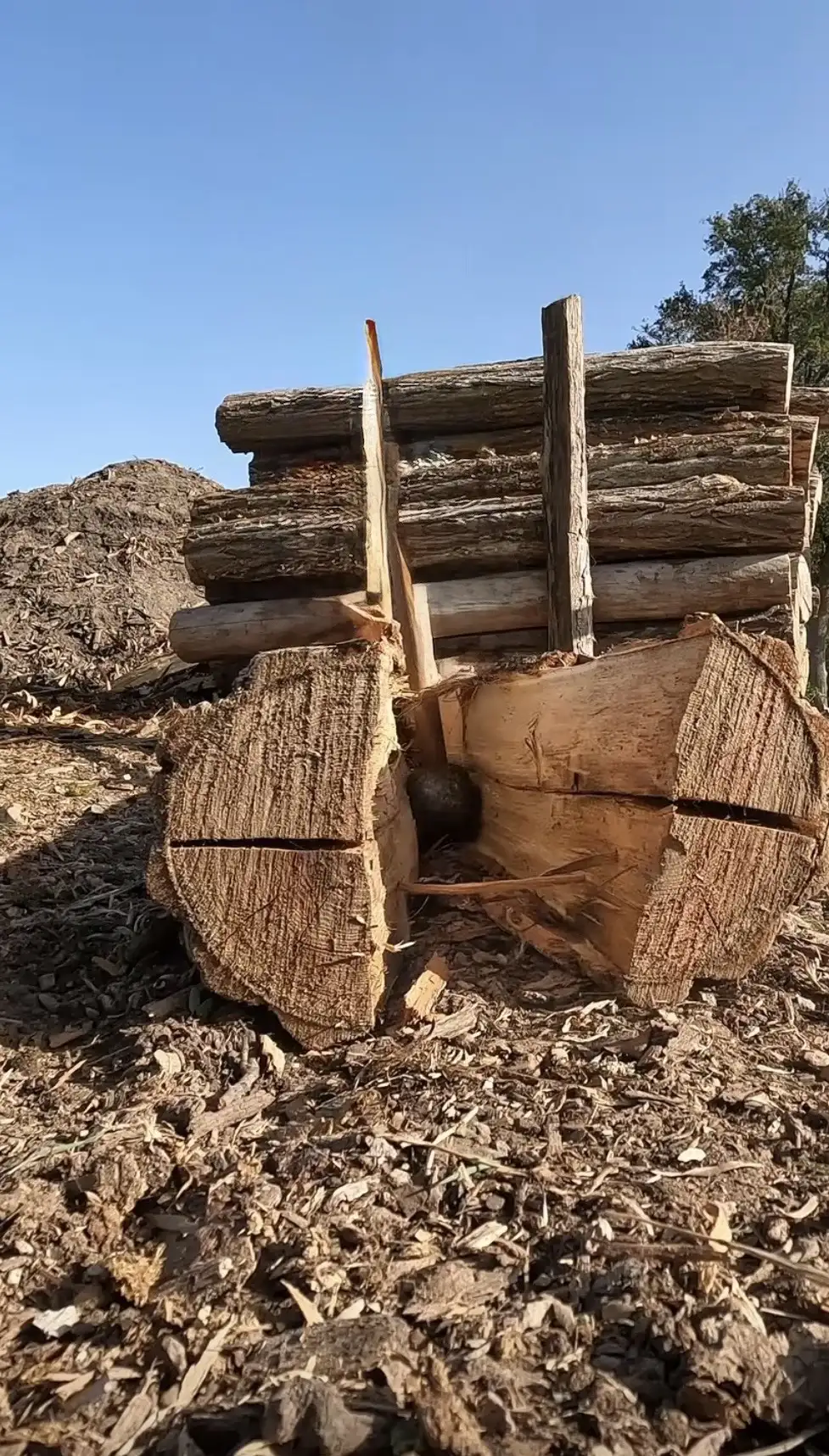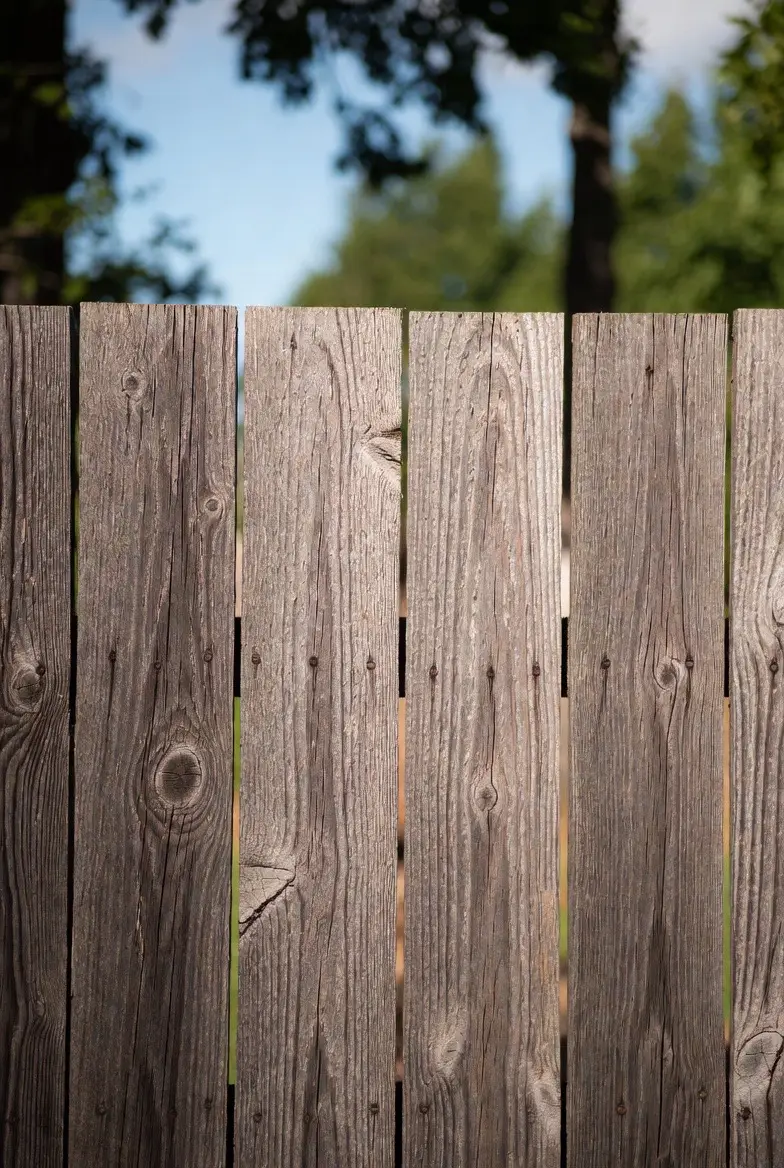
A fence is more than a line around your property today. It protects your space and gives your land a clear boundary.
It also adds beauty and comfort to your home environment. A strong fence can stand safely for many years without problems. This happens when the fence starts with strong wood and careful work.
Many people feel unsure when starting a fence-building project. They often wonder about tools, the depth of holes, and the right wood. Learning how to install wood fence post systems correctly helps greatly. A well-installed post keeps the fence straight for many years. A poorly installed post can cause the fence to lean quickly.
This guide explains the easy steps for building a strong fence. It also shows why strong wood makes the fence last longer.
Choosing the right wood is the first important step before installation. Many fences fail because the wood begins rotting inside the soil. Soft woods absorb water quickly and weaken after several seasons. Moist soil slowly damages wood and makes fence posts weak. When posts weaken, the fence begins leaning and losing strength.
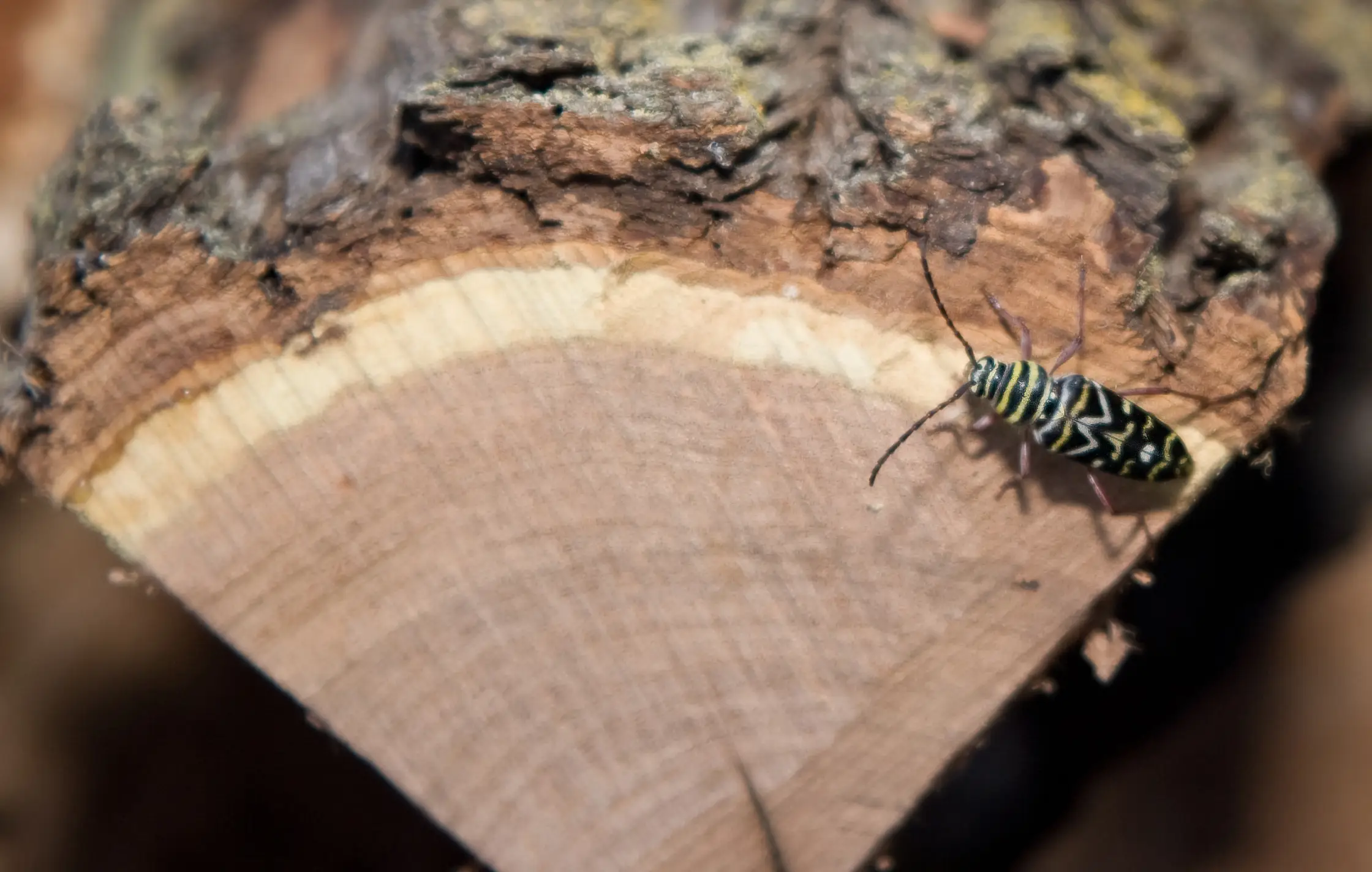
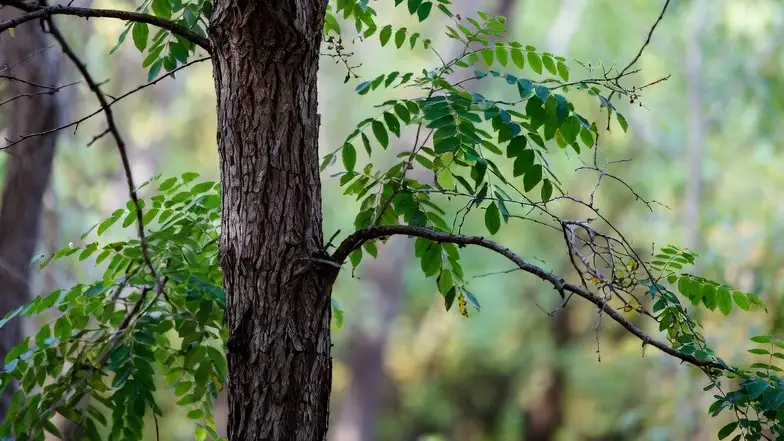
Black locust wood works differently because it naturally resists decay. It also protects itself from insects that destroy weaker wood types. For many years, farmers trusted this wood for strong farm fencing. The wood stays strong in soil where other woods quickly fail. Because of this strength, many builders prefer black locust posts.
Using strong posts from Black Locust Lumber creates reliable fence foundations. These posts support the fence structure and prevent movement over time. Strong foundations help fences remain straight through seasons and storms. This simple choice can protect your fence investment for many years. Good wood always makes installation easier and long-term results better.
Good planning makes fence installation easier and prevents many mistakes. Before learning how to install a wood fence post, plan carefully. Start by marking the full fence line using stakes and string. These guides help you clearly see the direction of the fence. They also help keep the fence line straight during installation.
Measure the distance carefully between each planned fence post location. Most fences place posts about six to eight feet apart. This spacing keeps the structure strong and prevents fence bending. Different fence styles may sometimes require slightly different spacing.
Always check property boundaries before starting the fence project. You should also check underground pipes or cables before digging. This step protects both your property and nearby underground utilities.
Prepare the tools needed before starting the installation work. Common tools include post diggers, levels, gravel, and measuring tape. You may also need concrete or packed soil for support. Strong wooden posts are the most important material for installation.
Choosing durable posts from Black Locust Lumber supports long-lasting fences. This strong wood helps your work remain useful for many years. Good planning, together with strong materials, always creates better fencing.
The entire fence depends on the strength of each installed post. If one post becomes weak, the fence line may start leaning. Correct installation prevents future problems and keeps the fence strong.
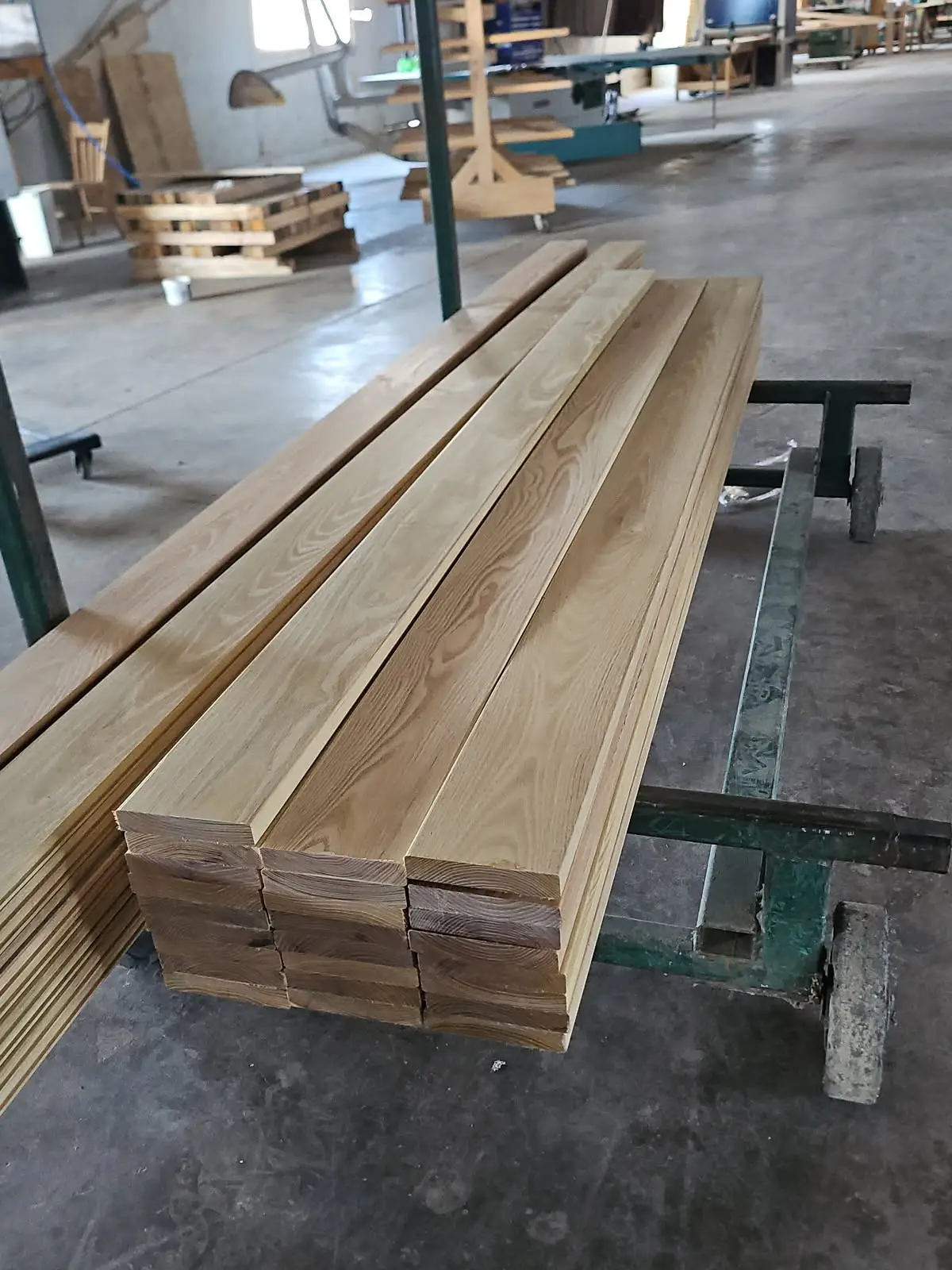
Wire fencing is common for farms and large open properties. It provides clear boundaries while allowing visibility across land. Many farmers prefer wire fences for livestock safety and control.
Learning how to install wire fence with wood posts helps greatly. The process starts with installing strong wooden posts along the line. These posts hold the wire tension and support the fence structure.
After installing the posts, begin attaching the fencing wire carefully. First, secure the wire tightly to the starting fence post. Next, unroll the wire slowly along the planned fence line. Pull the wire tightly toward the next installed post location. Then attach the wire using strong fencing staples. Repeat this process along the entire fence line carefully. Proper tension keeps the wire fence straight and secure. A loose wire can easily sag or bend under pressure.
Strong hardwood posts from Black Locust Lumber hold wire tension better. They provide stability across long fences used on farms.
Many fences fail because of small mistakes during installation work. Avoiding these mistakes helps your fence last many years longer.
Black locust wood is famous for its strength and natural durability. It naturally resists insects, moisture, and wood-destroying fungi. This wood survives outdoor conditions better than many other woods.
Unlike treated lumber, it does not need chemical preservatives. Its natural oils protect the wood from damage from soil. Farmers and builders trusted this wood for fencing generations ago. Today, many homeowners also prefer this reliable hardwood material.
Customers choosing Black Locust Lumber notice the difference quickly. Their fences remain straight while other fences begin weakening. This natural durability makes black locust perfect for outdoor fencing. Strong wood combined with good installation creates dependable fences.
Even strong fences need small care once or twice yearly. Walk along the fence line and inspect each post carefully. Look for loose rails or small movements in posts. Tighten fasteners and remove plants growing close to fence posts. This simple care protects the structure from slow damage.
Regular inspection helps the fence stay safe and attractive. Good maintenance extends the life of your fencing investment. When strong posts combine with proper installation, the results improve. Your fence becomes a long-lasting part of the landscape.
Building a fence is both a useful and meaningful property project. A fence protects your land and clearly marks your boundaries. It also brings order and beauty to outdoor spaces.
Learning how to install a wood fence post ensures a strong foundation. Correct installation keeps fences stable through weather and time. Using durable hardwood from Black Locust Lumber improves reliability greatly. Their wood offers natural strength and long-lasting outdoor performance.
A carefully built fence can serve families for many years. It quietly shows patience, skill, and respect for the land.
A fence post usually needs depth equal to one-third of its length. For a six-foot fence, dig a hole about two feet deep.
Hardwoods with natural decay resistance work best for fencing. Black locust wood is widely known for excellent outdoor durability.
Concrete provides strong support for many residential fencing projects. Packed soil with gravel can also hold posts securely.
Most fences place posts about six to eight feet apart. Spacing may change depending on fence design and terrain.
Good wooden posts can last many years with proper installation. Posts from Black Locust Lumber are known for exceptional durability.
%20m%C3%A1solat.webp)